Table of contents | Corrigenda | How to order
Multilingual Summaries
Almost 3% of the world’s population – or about 190 million people – live outside the land of their birth. These migrants bring energy, entrepreneurship and fresh ideas to our societies. But there are downsides, too: Young migrants who fail in education, adults who don’t find work and, of course, unregulated migration. Such challenges make migration a political lightning rod. But how can we move beyond the noise of debate to get to the facts?
OECD Insights: International Migration explores migration today, and asks this question: How can governments ensure it benefits immigrants, the societies in which they settle and the homes they leave behind?
Table of contents
Foreword by Anthony Gooch Director, Public Affairs and Communications Directorate, OECD
Chapter 1. The Migration Debate
Migration can be controversial, in part because it touches on so many areas of public life, including economics, demographics, national security, culture and even religion.
Chapter 2. Migration Then and Now
For almost as long as humans have walked the Earth, we have sought new homes. Today, that journey continues for many millions of people around the globe.
Chapter 3. Managing Migration
Our ability to travel is restricted by international rules and regulations. But, equally, international agreements give many people significant rights to settle abroad.
Chapter 4. Migration and Education
The track record of young immigrants in schooling is mixed – some do exceptionally well but others encounter problems that can hold them back throughout life.
Chapter 5. Migrants and Work
Migrants can be a key addition to the workforce, even if their presence may be resented and they are not always able to make the best use of their skills.
Chapter 6. Migration and Development
For developing countries, migration can be a blessing by providing remittances and overseas contacts, but a curse for taking away the brightest and the best.
Chapter 7. By Way of Conclusion…
Policies will need to go on evolving if migrants, the societies they leave and those they join are to continue benefiting from migration. Plus: How migration is measured.
References
*OECD Insights



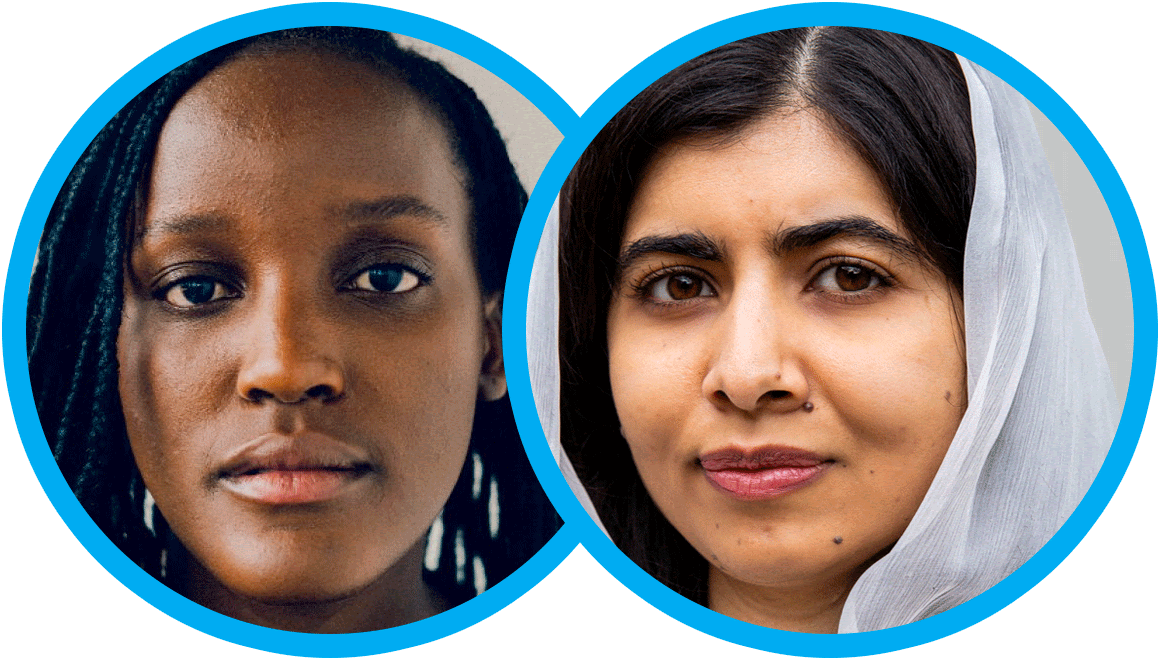 Nous venons de signer cette lettre ouverte pour demander aux chefs d’Etat et de gouvernement de faire de l’école gratuite pour tous les enfants un droit humain universel.


what is the meaning of the word migration?
“The UN Migration Agency (IOM) defines a migrant as any person who is moving or has moved across an international border or within a State away from his/her habitual place of residence, regardless of (1) the person’s legal status; (2) whether the movement is voluntary or involuntary; (3) what the causes for the movement are; or (4) what the length of the stay is.”
I just like the helpful info you provide in your articles.
If you desire to grow your familiarity with different issues only keep visiting this web site and be updated with the newest posts here.
I see daily some sites and blogs to read posts, except this webpage gives quality based content.
Do you have any video of that? I’d want to find out more details.