Nous venons de signer cette lettre ouverte pour demander aux chefs d’Etat et de gouvernement de faire de l’école gratuite pour tous les enfants un droit humain universel.
Syeda Henna Babar Ali, President PEN Pakistan Center
Syeda Henna Babar Ali has been writing poetry in English and Urdu since she was 9 years old. She is the recipient of the Bolan Best Poet Award and Mohtrama Fatima Jinnah Medal for her contribution to English Literature. She composes music for world peace and her album Raushan Kinara, a CD of spiritual music was released in 2008.
She’ll contribute to the Anthology with 2 poems and a piece of music. Here is her Malala poem, recently written:
MALALA*
(dedicated to Malala by Syeda Henna Babar Ali)
The bullet pierced my heart– the wounded soul cries to see
a girl’s struggle… In silence as the nation prays
and wows to fight the extremism
that surrounds us. Malala, your courage rebounds in
7 billion hearts–you are shaping
our destiny and that of girls and women
around the world. You are the light– we follow you–
admire your freedom of expression
to do what is right–
to rest only when each girl in Pakistan
has access to education, is not treated as a
commodity or married young against her will.
The cruelty must now end,
we must fight back with united resolve
for our peace, for our open and tolerant society. Malala you are an education. We cannot fail you for in it we fail humanity and ourselves. We are with you, always, and you live within us.
*Malala Yousafzai is a student from the town of Mingora in Swat District, Khyber Pakhtoonkhwa, Pakistan, known for her women’s rights activism in the Swat Valley, where the Taliban regime has banned girls from attending school. (Wikipedia)
427 Responses to Syeda Henna Babar Ali, President PEN Pakistan Center
You’re so interesting! I don’t think I’ve truly read through anything like this before.
So good to find another person with some unique thoughts on this
issue.
Although info is available on the web, the mastering of info by mainstream, traditional sources like newspapers, magazines, books is a reliable and professional way.
Middle English parlai speech, probably from Middle French parlee, from Medieval Latin parabolare, from Late Latin parabola speech, parable
First Known Use: 1580*
“Parley” is a discussion or conference, especially one between enemies over terms of a truce or points in dispute or other matters; mutual discourse.
The root of the word parley is parler, which is the French verb “to speak”.
Beginning in the High Middle Ages with the expansion of monarchs, a parley, or “talk”, was a meeting held between kings and their Chief Retainers. Parleys were part of the many changes in Europe, especially regarding governments. These meetings can be attributed to the formation of parliaments, which are derived from a similar root, parliamentum, simply meaning “talking”.**
Act V Julius Caesar by William Shakespeare
Drum. Enter BRUTUS, CASSIUS, and their Army; LUCILIUS, TITINIUS, MESSALA, and others
BRUTUS: They stand, and would have parley.


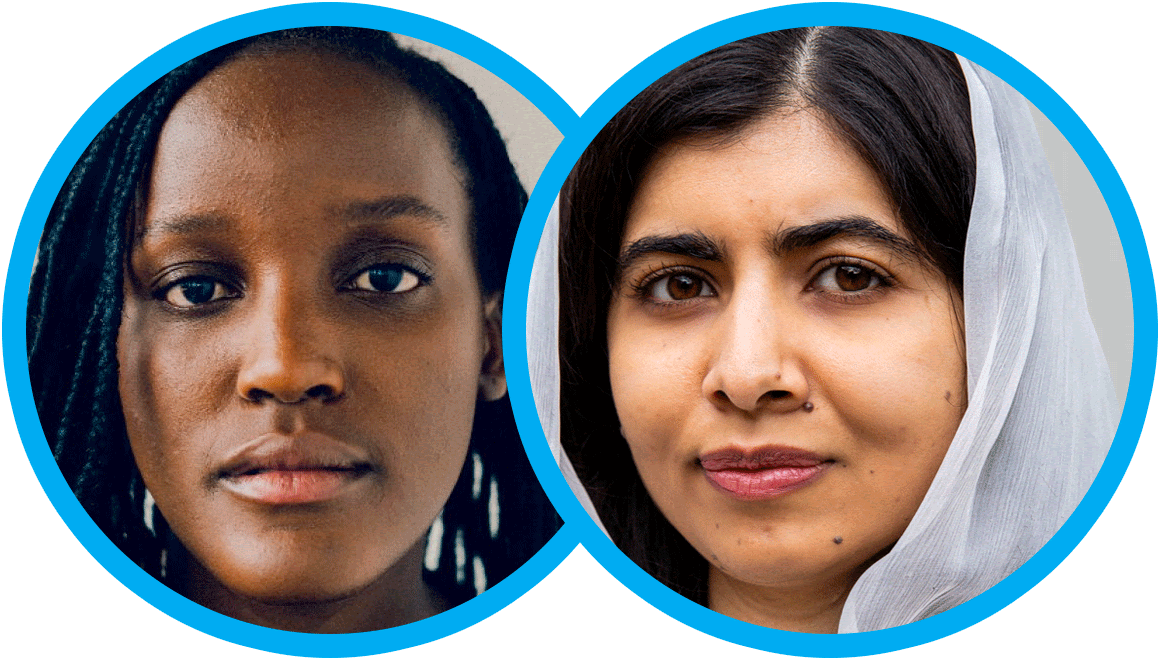 Nous venons de signer cette lettre ouverte pour demander aux chefs d’Etat et de gouvernement de faire de l’école gratuite pour tous les enfants un droit humain universel.


This is really interesting, I’ve shared your website in my social networks!
You should participate in a contest for top-of-the-line blogs on the web. I will suggest this website!
Thank you, Mari!
Have you ever thought about publishing an ebook or guest authoring on other blogs?
I’ve already have an e-book. Thank you for your advice!
You’re so interesting! I don’t think I’ve truly read through anything like this before.
So good to find another person with some unique thoughts on this
issue.
Why users still use to read news papers when in this technological age the
whole thing is accessible on web?
Although info is available on the web, the mastering of info by mainstream, traditional sources like newspapers, magazines, books is a reliable and professional way.